Wind Damage Roofing Solutions
Wind Damage Roofing Solutions
Wind damage can significantly impact the integrity of your roof, leading to costly repairs and potential safety hazards. Understanding the various wind damage roofing solutions available is crucial for homeowners, especially in areas prone to severe weather. This article will explore the types of wind damage, effective repair techniques, and emergency services available in Tulsa. Homeowners often face challenges in assessing damage and navigating insurance claims, but with the right knowledge and resources, these issues can be managed effectively. We will also discuss how Proof Construction specializes in wind damage roofing solutions, ensuring quality and reliability in repairs.
Wind Damage Roofing Solutions in Tulsa
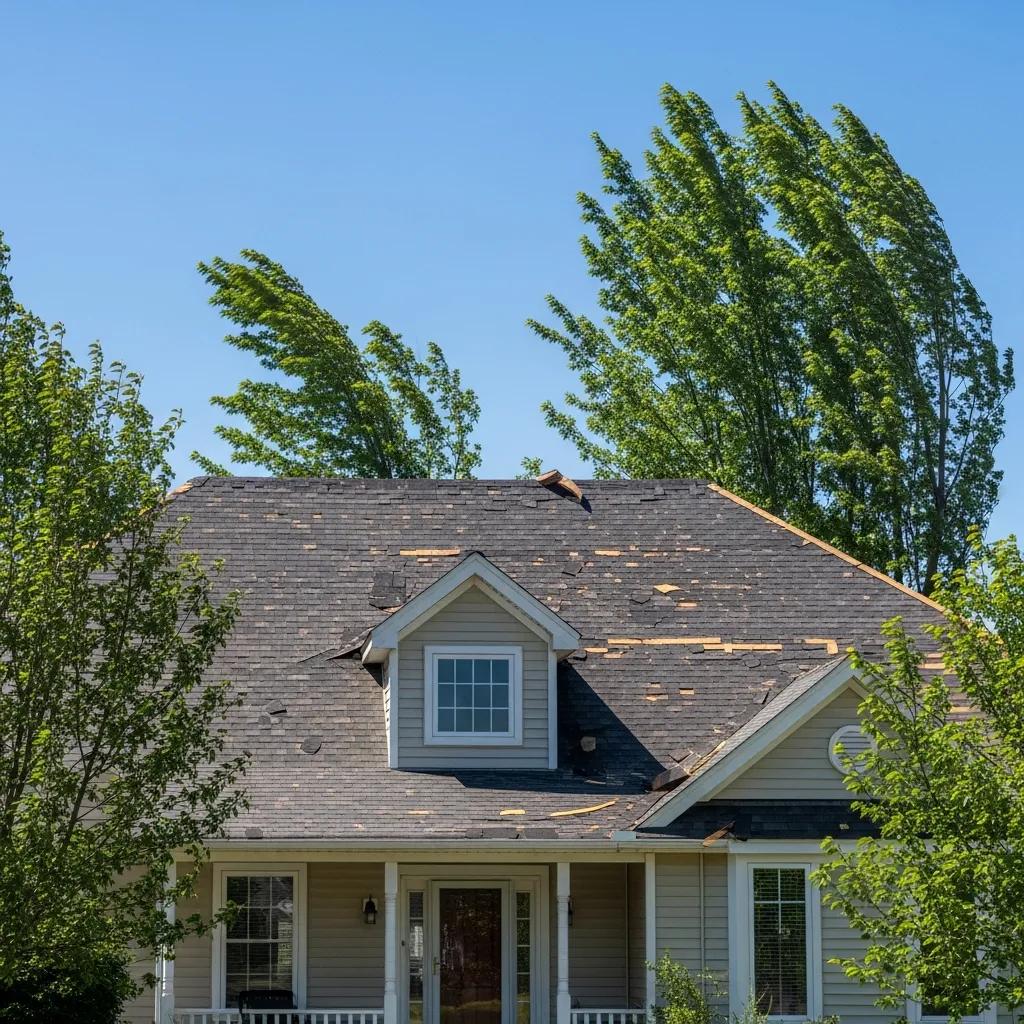
Wind damage roofing solutions encompass a range of services designed to address the effects of high winds on roofs. In Tulsa, where severe weather events are common, timely repairs are essential to prevent further damage. Homeowners should be aware of the types of wind damage, which can include missing shingles, damaged flashing, and compromised structural integrity. Engaging local experts ensures that repairs are conducted efficiently and effectively, minimizing the risk of future issues.
Research highlights the critical nature of addressing wind damage promptly, especially concerning structural components like roof sheathing.
Wind Damage, Roof Sheathing Failure & Insured Losses
The majority of single-family housing in the United States is woodframe construction. A significant portion of wind damage (insured losses) was the result of a breach in the building envelope. Loss of roof sheathing, in particular, can lead to progressive damage and significant repair costs.
Fragility assessment for roof sheathing failure in high wind regions, 2005
Expert Roof Repair Techniques
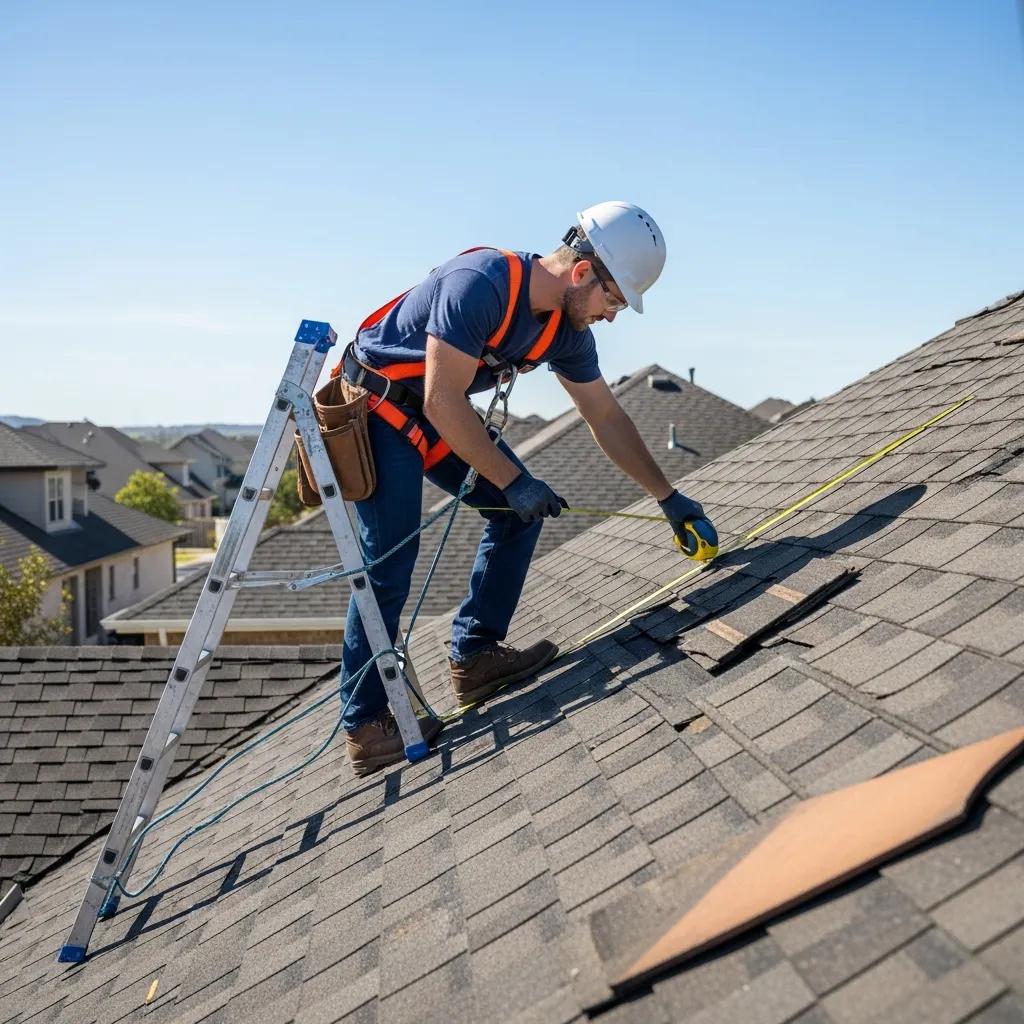
Effective roof repair techniques for wind damage involve a combination of visual inspections and detailed assessments. Professionals often utilize the following methods:
- Visual Inspection: This initial step helps identify obvious signs of damage, such as missing or broken shingles.
- Documentation for Insurance: Proper documentation is crucial for filing insurance claims, including photographs and detailed reports of the damage.
- Types of Damage to Look For: Homeowners should be aware of specific indicators, such as lifted shingles or exposed underlayment, which can lead to leaks if not addressed promptly.
These techniques not only facilitate effective repairs but also help homeowners understand the extent of the damage and the necessary steps for restoration.
Emergency Services Available in Tulsa
In the aftermath of a wind event, emergency roofing services are vital for protecting homes from further damage. Tulsa residents can access several emergency services, including:
- 24/7 Emergency Response: Quick response teams are available to assess and mitigate damage immediately.
- Temporary Roof Tarping: This service provides a protective layer over damaged areas to prevent water intrusion until permanent repairs can be made.
- Emergency Roof Replacement: In severe cases, complete roof replacement may be necessary to ensure safety and structural integrity.
Proof Construction offers these emergency services, ensuring that homeowners can rely on prompt and professional assistance during critical times.
How Does the Wind Damage Roof Repair Process Work in Tulsa?
The wind damage roof repair process in Tulsa typically involves several key steps to ensure thorough restoration. Initially, a professional inspection is conducted to assess the extent of the damage. Following this, emergency mitigation steps are taken to prevent further issues, such as water leaks. Homeowners are then guided through the insurance claim process, which is essential for covering repair costs. Engaging with experienced contractors like Proof Construction can streamline this process, ensuring that repairs are completed efficiently and effectively.
What Are the Key Steps in Assessing and Repairing Wind-Damaged Roofs?
Assessing and repairing wind-damaged roofs involves a systematic approach to ensure all aspects of the damage are addressed. Key steps include:
- Emergency Mitigation: Taking immediate action to prevent further damage, such as tarping the roof.
- Professional Inspection: Engaging a qualified contractor to conduct a thorough assessment of the roof’s condition.
- Documentation for Claims: Collecting necessary documentation to support insurance claims, including photographs and detailed reports.
These steps are crucial for ensuring that repairs are comprehensive and that homeowners receive the necessary support from their insurance providers.
How Does Proof Construction Ensure Quality and Reliability in Repairs?
Proof Construction prioritizes quality and reliability in all roofing repairs. The company employs highly trained staff who are experienced in handling wind damage repairs. Their commitment to quality workmanship is evident in their thorough inspection processes and the use of high-quality materials. Additionally, Proof Construction offers emergency services, ensuring that homeowners can access immediate assistance when needed. This dedication to excellence sets them apart in the roofing industry.
What Emergency Roof Tarping Services Are Available After Storm Damage?
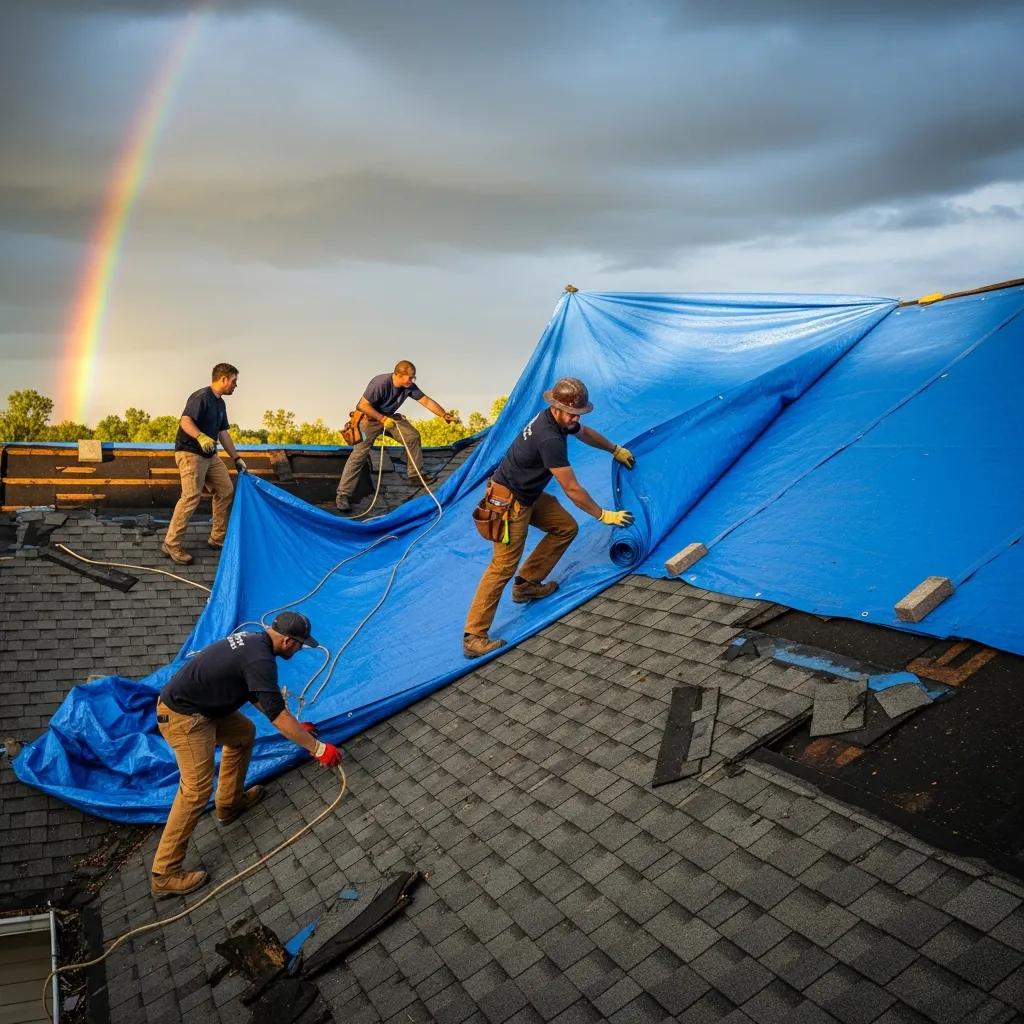
After a storm, emergency roof tarping services are essential for protecting homes from further water damage. These services typically include:
- Types of Tarping Services: Various tarping options are available, including full coverage tarps and partial coverage for specific areas.
- Response Times: Emergency teams aim to respond within hours of a storm event to minimize damage.
- Cost Considerations: While costs can vary, investing in emergency tarping can save homeowners from more extensive repairs later.
Proof Construction provides these services, ensuring that homeowners can safeguard their properties effectively.
When Should Emergency Roof Tarping Be Applied to Prevent Further Damage?
Emergency roof tarping should be applied immediately after a storm if any signs of damage are present. Homeowners should look for indicators such as:
- Signs of Damage: Missing shingles, visible leaks, or exposed underlayment are clear signs that tarping is necessary.
- Timing Considerations: The sooner tarping is applied, the better the protection against water intrusion and further structural damage.
- Consequences of Inaction: Delaying tarping can lead to significant water damage, mold growth, and increased repair costs.
Understanding these factors can help homeowners make informed decisions about their roofing needs.
How Does Emergency Tarping Integrate with Full Roof Restoration?
Emergency tarping serves as a critical first step in the full roof restoration process. After tarping is applied, the following steps are typically taken:
- Emergency Response Steps: Initial assessments are conducted to determine the extent of the damage.
- Assessment and Documentation: Detailed inspections and documentation are prepared to support insurance claims.
- Restoration Planning: A comprehensive plan is developed for the full restoration of the roof, ensuring that all damage is addressed.
This integration of emergency services with long-term restoration efforts is essential for maintaining the integrity of the home.
How Can Homeowners Navigate Insurance Claims for Wind Damage Roof Repairs?
Navigating insurance claims for wind damage roof repairs can be complex, but understanding the process can simplify it. Homeowners should consider the following:
- Emergency Mitigation Steps: Taking immediate action to prevent further damage can strengthen claims.
- Reviewing Insurance Policies: Understanding the specifics of your policy can clarify coverage options.
- Professional Inspection Importance: Engaging a qualified contractor for inspections can provide necessary documentation for claims.
By following these guidelines, homeowners can effectively manage their insurance claims and ensure they receive the support they need.
What Documentation and Processes Support Successful Insurance Claims?
Successful insurance claims for wind damage repairs rely on thorough documentation and adherence to specific processes. Key elements include:
- Emergency Mitigation Documentation: Records of immediate actions taken to prevent further damage.
- Professional Inspection Reports: Detailed assessments from qualified contractors outlining the extent of the damage.
- Claim Submission Processes: Understanding the steps required to submit claims accurately and efficiently.
These components are vital for ensuring that claims are processed smoothly and that homeowners receive the necessary financial support.
What Are the Best Practices for Wind Damage Roof Inspection and Maintenance Post-Storm?
Post-storm roof inspection and maintenance are crucial for identifying and addressing potential issues. Best practices include:
- Routine Inspections: Conducting regular inspections after storms to identify any new damage.
- Debris Removal: Clearing debris from the roof to prevent additional wear and tear.
- Addressing Minor Repairs: Promptly fixing minor issues can prevent them from escalating into more significant problems.
Implementing these practices can help maintain the roof’s integrity and extend its lifespan.
How to Identify Signs of Wind and Hail Damage on Your Roof?
Identifying signs of wind and hail damage is essential for timely repairs. Homeowners should look for:
- Ground-Level Inspection Techniques: Observing the roof from the ground can reveal missing shingles or other visible damage.
- Signs of Hail Damage: Dents or bruises on shingles are common indicators of hail damage.
- Signs of Wind Damage: Lifted or missing shingles, as well as damaged flashing, are clear signs of wind-related issues.
Recognizing these signs early can facilitate prompt repairs and prevent further damage.
What Maintenance Steps Help Prevent Future Wind Damage?
Preventing future wind damage requires proactive maintenance. Homeowners should consider the following steps:
- Immediate Visual Inspections: Regularly checking the roof for signs of wear can help catch issues early.
- Regular Maintenance Schedules: Establishing a routine maintenance schedule can ensure that roofs remain in good condition.
- Prompt Repairs: Addressing minor repairs quickly can prevent them from developing into more significant problems.
By implementing these maintenance strategies, homeowners can protect their roofs from future wind damage and extend their lifespan.